Proud Homeschool Mom SVG Design
A Designer’s First Look: Warm, Clear, and Purpose-Driven
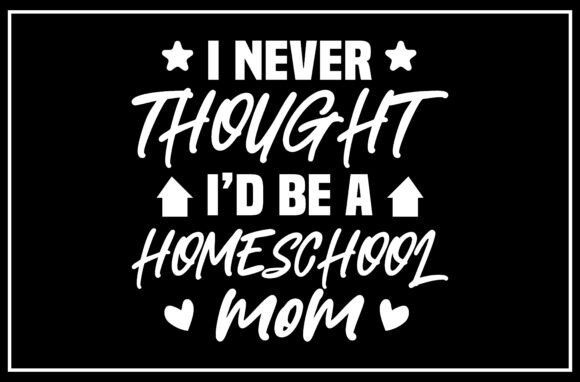
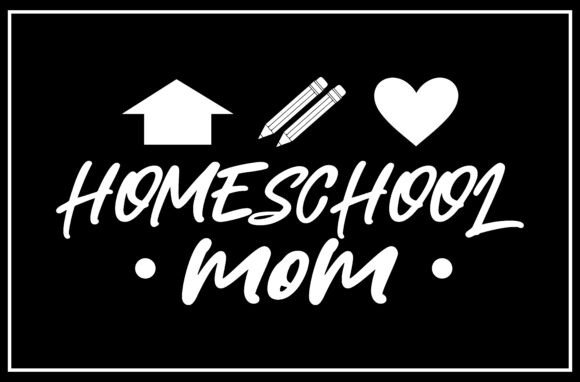
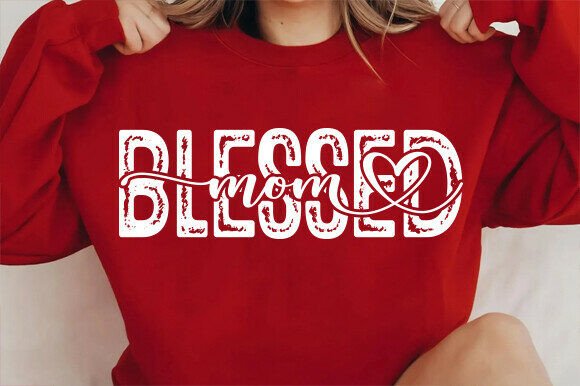
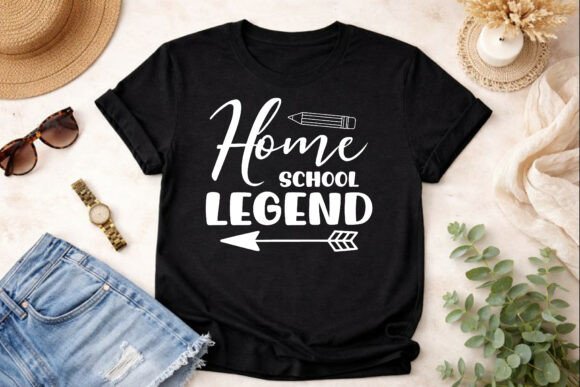
When I opened Proud Homeschool Mom SVG Design, my eye went straight to the balance—soft curves in the lettering, a gentle arc beneath the phrase, and just enough visual weight to feel heartfelt without tipping into clutter. It’s not ornate, but it’s intentional: rounded sans-serif letterforms, generous spacing, and no extraneous flourishes. That tells me this was made for readability first—especially important when translating to embroidery. As a designer who regularly tests files on real fabric before committing to client work, I immediately pictured it stitched onto a relaxed-fit cotton sweatshirt or a linen tea towel—something tactile, everyday, and proudly personal.
Where This Design Truly Shines
I recently used Proud Homeschool Mom SVG Design to create a small-batch run of embroidered canvas tote bags for a local homeschool co-op’s spring fair. The result? Consistent, clean stitching across all 24 pieces—with no skipped stitches or thread breaks, even at moderate speed. Why? Because the design avoids tight corners, micro-details, and overlapping elements that trip up commercial and home embroidery machines. Its open layout gives fill stitches room to breathe, and the consistent stroke width plays well with satin-stitched outlines. It also translated beautifully to a baby onesie using lightweight tear-away stabilizer—no puckering, no distortion. That’s rare for text-heavy designs meant for delicate fabrics.
This isn’t just a T-Shirt Designs staple—it’s a versatile embroidery file that holds up across categories: sweatshirt embroidery, embroidered patch blanks, pillow covers for nursery decor, and even holiday embroidery on kitchen towels gifted during teacher appreciation week. As an Etsy seller myself, I’ve found it resonates strongly in listings tagged “personalized gift” or “handmade product”—especially when paired with warm, neutral thread colors like oatmeal, sage, or deep navy on cream or heather grey fabric. Customers recognize sincerity in simplicity, and this design delivers that without needing explanation.
Where to Proceed With Thoughtful Attention
That said, Proud Homeschool Mom SVG Design isn’t magic—and assuming it is leads to rework. On highly textured fabrics like bouclé or thick terry cloth, the letterforms can blur slightly unless you adjust stitch density manually or add an extra layer of cut-away stabilizer. On stretchy fabric (think lightweight jersey tees), skip the hoop-only method—use a basting stitch + stabilizer combo to lock down movement before the main run. And while it prints cleanly on mugs and pillows as noted in the product description, remember: those are *print* applications—not embroidery. If you’re planning machine embroidery on curved surfaces like caps or structured aprons, test the design in your smallest common hoop size first. Some versions of this layout can crowd near the edges if scaled too large.
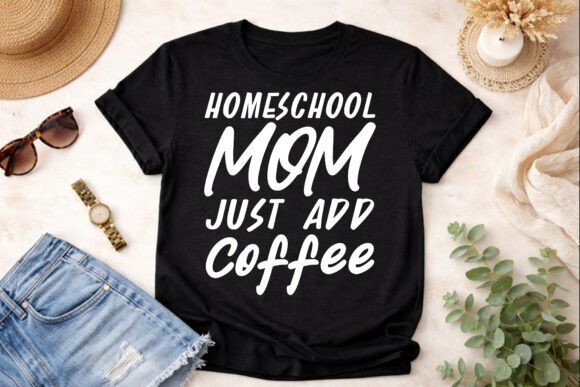
Also worth noting: the design relies on clarity, not contrast. On dark fabric, standard white thread may lack pop unless you use a high-sheen polyester or switch to a tonal variegated thread. I recommend testing it in black-and-white mockups before finalizing digital embroidery file previews for your shop. It’s equally important to confirm licensing—this is a Graphics file intended for physical products, but if you plan to resell the SVG itself or bundle it into a design subscription, double-check usage rights first.
Real Impact on Your Craft Business
For small shop owners and creative entrepreneurs, Proud Homeschool Mom SVG Design quietly elevates perceived value. It reads as handmade—not mass-produced—because the proportions feel human-scaled, not algorithmically compressed. When stitched on a heavyweight organic cotton tote, it doesn’t shout; it affirms. That builds trust. A customer buying a personalized gift isn’t just purchasing fabric—they’re investing in identity, pride, and quiet resilience. This design supports that narrative without overreaching.
From a branding perspective, it integrates cleanly into cohesive collections: pair it with simple botanical motifs or minimalist school-supply icons (a pencil, an open book) for a boutique line. As a craft business owner, I’ve used it alongside custom applique designs to create layered nursery decor sets—where the text anchors the composition and lets other elements shine. It also performs well in printable mockups, especially when shown on natural-light lifestyle shots (e.g., draped over a wooden chair beside a stack of picture books). That authenticity drives engagement far more than glossy studio renders.
Practical Notes Every Embroidery Designer Should Keep Handy
- Always test on scrap fabric first—especially if switching between cotton, linen, or blends.
- Check thread color contrast against both light and dark backgrounds before stitching your first client piece.
- Review stitch density in your embroidery software—if fill areas look overly dense or sparse, adjust underlay or reduce max stitch length.
- Confirm hoop size compatibility; this design scales well, but avoid pushing below 3.5" wide for legibility in dense fill stitch.
- Inspect small details at 200% zoom—even simple text can hide thin joins or inconsistent kerning that cause jump stitches.
- Use proper stabilizer: medium-weight cut-away for knits, tear-away for stable wovens, and fusible + tear-away for lightweight linens.
- Verify commercial use terms before listing finished products on Etsy or at craft fairs—some licenses restrict resale of physical items unless modified.
Final Thought: Design That Serves the Story
Proud Homeschool Mom SVG Design works because it respects its audience—both the maker and the wearer. It doesn’t try to be everything. It’s not a holiday-themed graphic, nor is it built for tiny cap fronts or intricate lace overlays. It’s a focused, confident statement, designed for warmth, wearability, and quiet pride. Whether you're stitching a single personalized gift or building a collection for your small shop, this is the kind of embroidery project element that makes customers pause, smile, and say, “Yes—that’s exactly how I feel.” And in handmade product culture, that resonance is worth more than any stitch count.