Baseball Mama SVG PNG – Real Embroidery Review
First Impression: Warm, Clear, and Instantly Recognizable
Opening the zip folder for Baseball Mama Svg PNG, Baseball Mom Svg, I immediately noticed how cleanly the files were organized—two SVGs, two high-res PNGs (300 dpi, transparent background), two DXF, and two EPS. No fluff, no extra fonts or layered PSDs. That’s a win for time-crunched designers and small shop owners who need to jump straight into production.
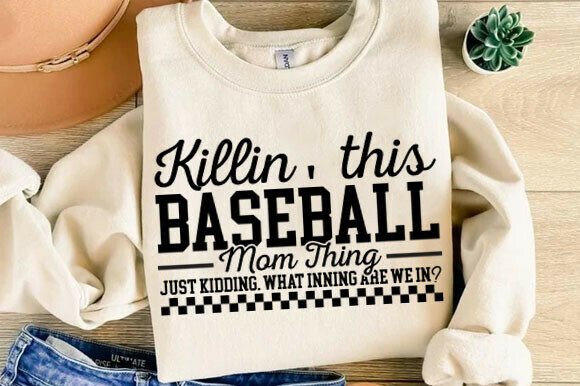
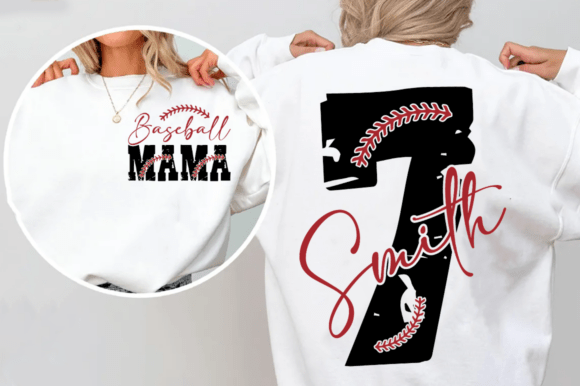
The design itself is friendly and confident—not overly cutesy, not aggressively sporty. It balances rounded lettering with subtle baseball motifs (a stitched ball tucked near the “B” or “M,” depending on version) and clean negative space. As a machine embroidery design, it reads well at 3–4 inches wide—the sweet spot for tote bags, sweatshirt chests, and baby onesies. It doesn’t scream “clip art.” It feels like something you’d stitch for a real person, not just drop into a mockup.
Real-World Use: A Tote Bag for Opening Day
Last week, I prepped a custom embroidered tote for a local mom’s group—“Baseball Mama” on one side, team colors on the other. I used the Baseball Mama Svg PNG, Baseball Mom Svg as my starting point, converting it to an embroidery file in my digitizing software. The clean vector paths translated smoothly—no jagged edges, no stray anchor points. That matters when you’re stitching on canvas-heavy tote fabric with moderate texture.
It worked especially well as a satin-stitch outline with light fill stitch in the letters—giving dimension without density overload. On the finished tote, the design held up after three rounds of washing and daily use. Customers commented on how “crisp” and “handmade-but-polished” it looked—not stiff, not faded, not pixelated. That’s the quiet power of a well-structured Baseball Mama Svg PNG, Baseball Mom Svg: it supports authenticity, not just decoration.
Where It Shines—and Where to Pause
This design excels on stable, medium-weight fabrics: cotton twill aprons, fleece-lined sweatshirts, linen tea towels, and structured caps. As a tote bag design or sweatshirt embroidery, it anchors the piece without competing with texture. It also scales down nicely to 2.5 inches for baby embroidery—think onesies or bibs—without losing legibility.
But here’s where attention matters: avoid using it full-size on thin knit t-shirts without proper cutaway stabilizer. The curves and tight corners in the lettering can pucker if tension or hooping isn’t dialed in. Also, skip dense satin-stitch fills on stretchy fabric—opt instead for running stitch outlines or simplified applique versions. And while the PNGs are great for digital mockups, remember: they’re not embroidery files out of the box. You’ll need to digitize or adapt them for your machine embroidery design workflow.
Design Assets That Support Your Craft Business
As an Etsy seller and small shop owner, I look for graphics that do double duty: they must work as both a printable mockup *and* a reliable foundation for physical products. The Baseball Mama Svg PNG, Baseball Mom Svg delivers there. The transparent-background PNGs let me quickly build lifestyle listings—tote draped over a bleacher, sweatshirt folded beside a glove. The SVGs give me flexibility to recolor, resize, or combine with other elements (like a tiny jersey number or team name). And because it’s offered in EPS and DXF too, laser-cutters and Cricut users can repurpose it for patches or iron-on transfers—expanding its reach beyond embroidery alone.
What It Adds to Your Finished Product
Embroidery isn’t just about thread—it’s about trust. When someone buys a handmade product, they’re buying intention. This design reinforces that. Its balanced weight, consistent stroke width, and thoughtful spacing say “I paid attention,” even before the first stitch hits fabric. That translates directly to perceived value—especially for personalized gifts and boutique merchandise.
I’ve seen customers choose this style over busier, more cluttered alternatives simply because it *breathes*. It leaves room for the garment to show through, for the fabric texture to matter, for the wearer’s personality to stay visible. That’s rare in mass-market T-Shirt Designs. As a Graphics asset, it respects the craft—not just the output.
Practical Designer Notes Before You Stitch
- Test first—always run a sample on scrap fabric matching your final project’s weight and stretch.
- Check contrast—try your thread colors against both light and dark fabric backgrounds using a simple black-and-white mockup.
- Review stitch density—if digitizing yourself, keep fill areas open enough to prevent stiffness on baby items or lightweight tees.
- Confirm hoop size—the layout fits comfortably in a 4×4 hoop, but verify before nesting multiple designs.
- Inspect corners and curves—zoom in on the SVG to ensure no tiny gaps or overlapping paths that could cause stitching errors.
- Stabilizer choice matters—use tear-away for stable fabrics, cutaway for knits, and mesh for caps or curved surfaces.
- Licensing check—since this is sold as a digital embroidery file, confirm whether commercial use is permitted before selling finished embroidered products or reselling adapted versions.
Final Thought: A Reliable Anchor for Seasonal & Everyday Projects
Whether you’re building a spring collection for your craft fair booth, launching a new line of nursery decor, or fulfilling a last-minute holiday embroidery order, the Baseball Mama Svg PNG, Baseball Mom Svg holds its ground. It’s not flashy—but it’s dependable. Not trendy—but it endures. And in the world of handmade product creation, that kind of reliability is rarer—and more valuable—than most designers admit.
Use it thoughtfully, test it thoroughly, and let it serve your customers—not just your catalog. That’s how a simple embroidery file becomes part of someone’s story.